What Is Esthetician School? How It Works and What You Leave With
10 min read
If skincare is the part of your day you look forward to, you may have wondered whether it could become your work. Then the phrase “esthetician school” comes up, and it is not obvious what it means. Is it like college, a beauty class, or an online certificate?
What is esthetician school? It is a career school that trains you in skin care services, such as facials, hair removal, and makeup, through theory classes and supervised hands-on practice. In New York, a 600-hour approved course of study prepares you to sit for the state’s written and practical exams; the state, not the school, issues the license.
This guide looks at esthetician school as a place: how it compares with cosmetology school, college, and online courses, what happens inside one, who oversees it in New York, and what you have in hand when you finish.
Esthetician School Meaning: A Career School Built Around Skin
In plain terms, an esthetician school teaches esthetics – the care and treatment of the skin – as a profession. Search for it, and you will also find esthetics school, aesthetician school, and aesthetic school. All of them point to the same kind of training, although “esthetics” is the spelling New York uses for the license.
What makes it a school, rather than a single class or a weekend workshop, is structure: an approved course of study, instructors credentialed to teach it, a set schedule you attend from start to finish, and practice that someone supervises. At Atelier Esthétique Institute of Esthetics, for example, students must attend all classes within a set schedule, and the school accepts enrollment for full courses of study only.
It is also a career school, and that shapes what you finish with. You do not leave with a degree. You leave with the approved training hours the state requires before you can apply for an esthetics license, plus the practice that prepares you for the state exams.
What Esthetician School Is Like Inside
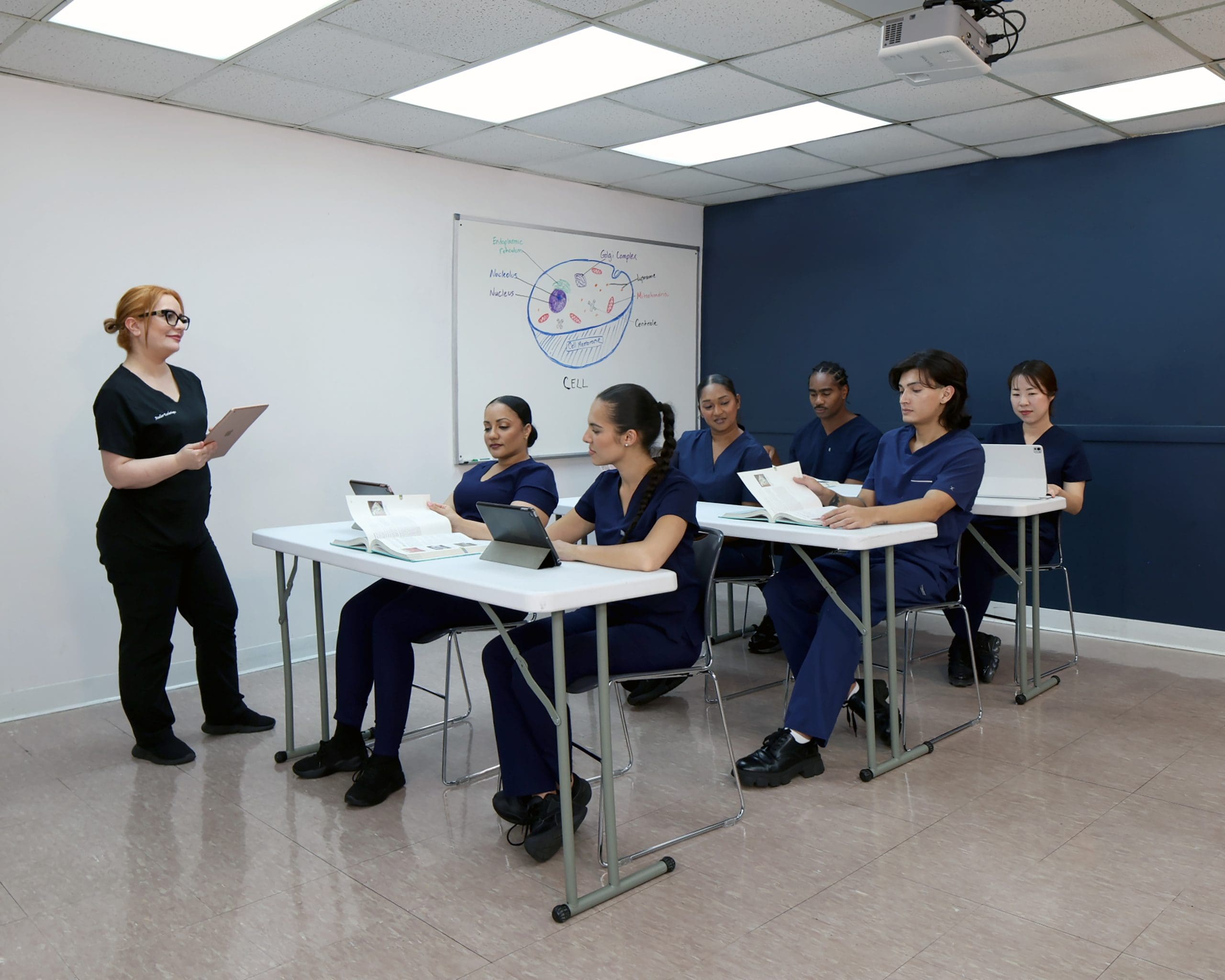
Esthetician school mixes a classroom with something closer to a working spa. At Atelier, practical and theory classes begin on the first day, so the science behind a treatment and the practice of it develop together. Practical classes have a maximum of 20 students, and theory classes a maximum of 30.
The week runs more like a job than a college semester. Our 600-Hour Esthetics Program offers full-time, part-time, and hybrid schedules, each with a fixed set of days and hours. In the hybrid schedules, theory is taught online, and practical skills are taught in person. During the last 300 hours, senior students focus more heavily on practical work.
The school clinic: real clients, supervised students
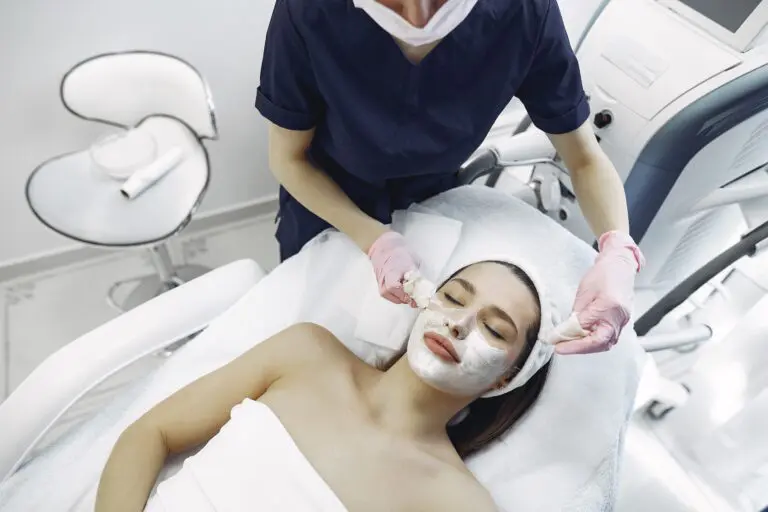
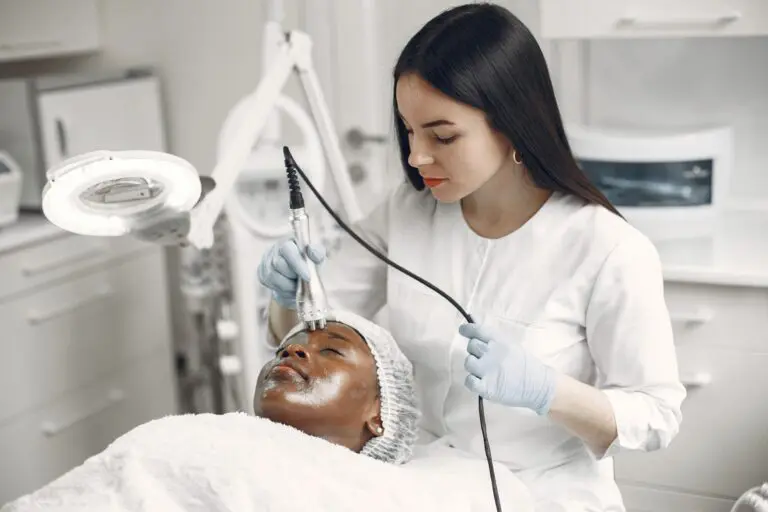
The clearest sign that you are in esthetician school is the clinic. At Atelier, the student clinic is open to the public, and supervised esthetics students perform skincare services as part of their hands-on training. For students, that means working on members of the public, each with their own skin and their own questions, while an instructor oversees your work.
The clinic also changes what you practice. A treatment on a client starts with a conversation, so consultation, explaining aftercare, and recommending products become routine there, along with the technique itself. Atelier also has two on-campus educational spas, where students gain clinical experience in a spa setting.
How Esthetician School Compares With Other Options
Much of the confusion about esthetician school comes from the other kinds of training that show up in the same searches. Here is how it sits next to each of them.
1. Esthetician school vs. cosmetology school
Both lead toward licenses from the New York Department of State, but they differ in scope. Cosmetology is the broader license: it covers hair, along with nails, waxing, and esthetics, and requires a 1,000-hour approved course, with about 100 hours focused on skincare. Esthetics focuses extensively on the skin and requires 600 hours of training. If hair is not part of your plans, an esthetics program puts all of its hours into skin care.
2. Esthetician school vs. college
College programs are built around degrees. Esthetician school grants no degree, and its hours are organized around the profession itself: skin science, treatments, sanitation, and client care, studied in theory classes and practiced in labs. Atelier Esthétique, for example, is licensed by the New York State Education Department’s Bureau of Proprietary School Supervision (BPSS), the office that oversees non-degree-granting private career schools.
3. Esthetician school vs. online certificates
Online skincare courses can teach you about ingredients or routines, and some issue a certificate when you finish. In New York, though, only training that is part of an approved course of study counts toward the 600 hours, and the hands-on side of esthetics is learned in person. Our guide to esthetician school online in New York explains where hybrid programs fit.
Side by side, the three paths look like this:
| Type of training | Focus | Hours for a New York license | What it prepares you for |
|---|---|---|---|
| Esthetician school | Skin: facials, hair removal, makeup, and client care | 600-hour approved course of study | The New York State esthetics written and practical exams |
| Cosmetology school | Hair, plus nails, waxing, and esthetics | 1,000-hour approved course of study | The New York State cosmetology written and practical exams |
| Online certificate course | Usually one topic, such as ingredients or routines | Counts only if it is part of an approved course of study | A certificate of completion, not a license |
Who Oversees an Esthetician School in New York
Two state agencies are involved, and they do different jobs. Keeping them apart makes the rest of the process much clearer.
- The school: New York State Education Department. Its Bureau of Proprietary School Supervision licenses non-degree-granting proprietary schools, credentials their teachers, investigates student complaints, and works to protect students’ financial interests. To be licensed, a school needs at least one approved curriculum, a teacher licensed for each one, facilities that BPSS inspects, and finances that meet state standards.
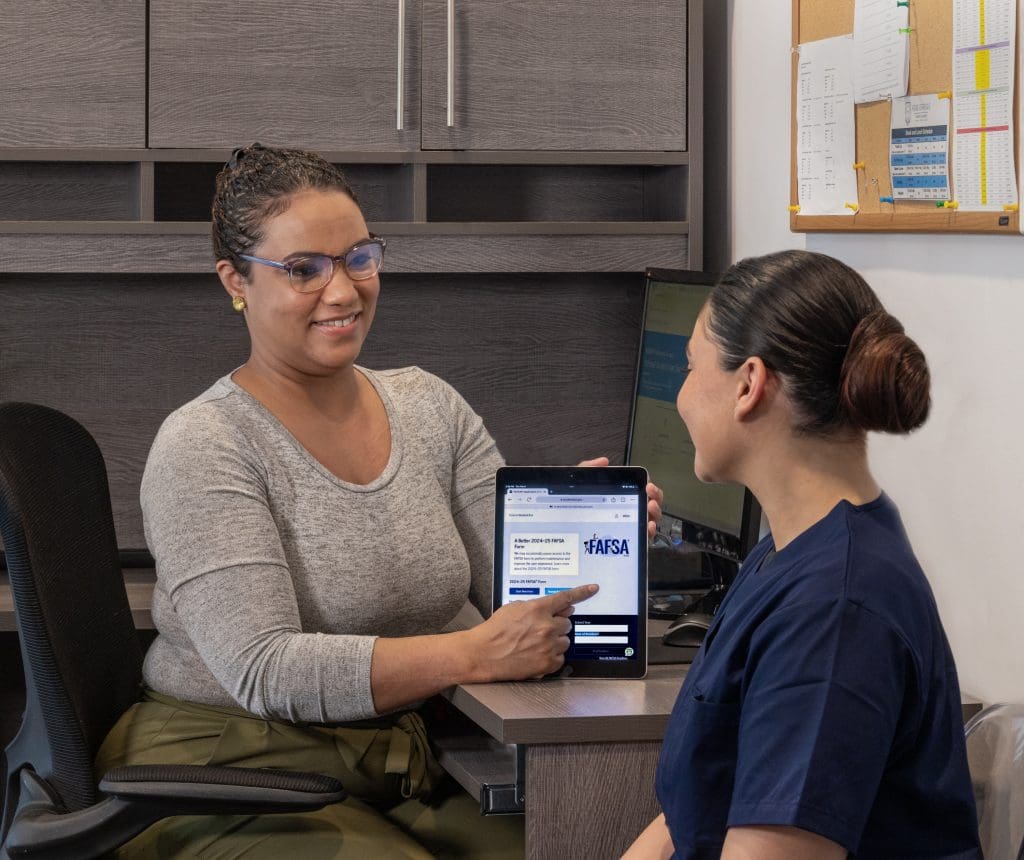
- Your license: New York Department of State. Its Division of Licensing Services issues the esthetics license and runs the written and practical exams. When you apply, your school director completes the section of the application that affirms your New York State-approved schooling.
At Atelier, instructors are licensed by the New York State Education Department. BPSS also keeps a public directory of licensed schools, so you can confirm a school’s status before you visit.
What NACCAS accreditation means
Accreditation is a separate layer from the state license. An accrediting commission reviews a school against its own standards and criteria, and that review continues over time rather than happening once. For esthetics and other career arts, one such commission is NACCAS, the National Accrediting Commission of Career Arts and Sciences.
Atelier is accredited by NACCAS and is a member of the American Association of Cosmetology Schools (AACS). Treat accreditation as a fact to confirm, the same way you would check a school’s state license: it describes how a school is reviewed, not what your experience or results will be. Our accreditation page lists each of these in one place.
What You Leave Esthetician School With
Finishing esthetician school does not hand you a license. It gives you three things the license process depends on:
- Completed approved hours. New York requires a 600-hour approved course of study for the esthetics license, and your school director affirms that schooling on your application.
- Preparation for the state exams. The program prepares students to sit for the New York State written exam, a multiple-choice test based on the pre-licensing curriculum, and for the practical exam.
- Professional habits. Client consultation, retail, and business skills are taught in class alongside technique, with consultation practiced on real clients in the clinic.
The rest is between you and the Department of State. According to its requirements for becoming an esthetician, you also need to be at least 17, complete a 1-hour course on domestic violence and sexual assault awareness, get a health certification, and pass both exams. Our step-by-step guide on how to become a licensed esthetician walks through that sequence in order.
No school can promise that you will pass the exams or receive a license. What a school can do is prepare you to sit for them. Many estheticians keep training after they are licensed; to see how licensing programs, master-level programs, and short advanced courses fit together, our map of aesthetician courses in New York sorts them by starting point.
See an Esthetician School for Yourself
Reading about esthetician school only goes so far; walking through one answers questions you did not know to ask. At Atelier Esthétique in Manhattan, we bring 40+ years of experience, specializing exclusively in esthetics education. You can schedule a time to sit in on a current class for an hour or book a treatment at our student clinic and see the training from the client’s chair.
When you want to compare what you read here with a real program, the 600-hour program at our esthetician school lists its schedules and admission requirements in one place. Book a Tour to visit the campus and talk with our admissions team about what you saw.
Thinking about starting your esthetics career?
Book a TourFrequently Asked Questions
Not exactly. Many people use “beauty school” for cosmetology schools, which in New York train for a 1,000-hour cosmetology license that covers hair, nails, skin, and waxing. An esthetician school focuses on skin and prepares students for the 600-hour esthetics license. Atelier specializes exclusively in esthetics education, so its training centers on skin care.
At Atelier, the school catalog’s dress code calls for navy blue scrubs, all-black shoes, a spa robe, and a spa headband, which suits the hands-on work in the clinic. For the current list, and for what to budget, ask admissions before your first day of class.
Esthetician school is training rather than a job. At Atelier’s student clinic, the treatments students perform are part of their hands-on training and are supervised. New York requires an esthetics license for anyone who practices esthetics for a fee, so paid esthetics work generally begins once you are licensed, or once you hold a temporary license if you are eligible.
No. The school provides the training, and the New York Department of State issues the license. After you complete a 600-hour approved course of study, your school director affirms your schooling on the application. You still need to meet the state’s other requirements, including a health certification and passing both the written and the practical exams.
At Atelier, yes. The student clinic is open to the public, and skincare services are performed by supervised esthetics students as part of their training. You can book through our clinic appointment page or by calling (212) 725-6130. It is also a practical way to see how the school works before you decide to enroll.